If your child’s vision seems to get a little blurrier each year, you might be familiar with myopia, also known as nearsightedness. The team at River City Vision Center understands you may wonder if there’s more to do than just get stronger glasses at every visit. Fortunately, innovative lenses are now designed to address this concern and help manage myopia progression.
These lenses offer a new way to manage your child’s vision. Myopia glasses, such as Essilor Stellest lenses, not only correct blurred vision but also use specialized technology to help slow the progression of nearsightedness in children. This approach supports a clearer vision today while protecting their eye health tomorrow.
What Is Myopia and Why Does It Matter?
A Simple Look at Nearsightedness
Myopia is the term for nearsightedness, which makes close-up objects appear clear while distant ones look fuzzy. This occurs when the eye grows slightly too long from front to back. Because of this extra length, light focuses in front of the retina instead of directly on it, causing blurriness. According to the American Optometric Association, this condition is common in children and young adults.
The Concern with Myopia Progression
You may notice your child’s prescription gets stronger over time—this is called myopia progression. Slowing this progression is important because it helps protect their long-term eye health. Understanding the factors that cause myopia to worsen helps explain why management is key. An optometrist can monitor these changes during an eye exam and discuss options for managing them.
A New Approach to Myopia with Stellest Lenses
Go Beyond Standard Vision Correction
Standard glasses can correct blurry distance vision, but they don’t do much to slow the progression of myopia itself. Myopia management is a different, essential approach that aims to address the progression directly.
Introducing Essilor Stellest Lens
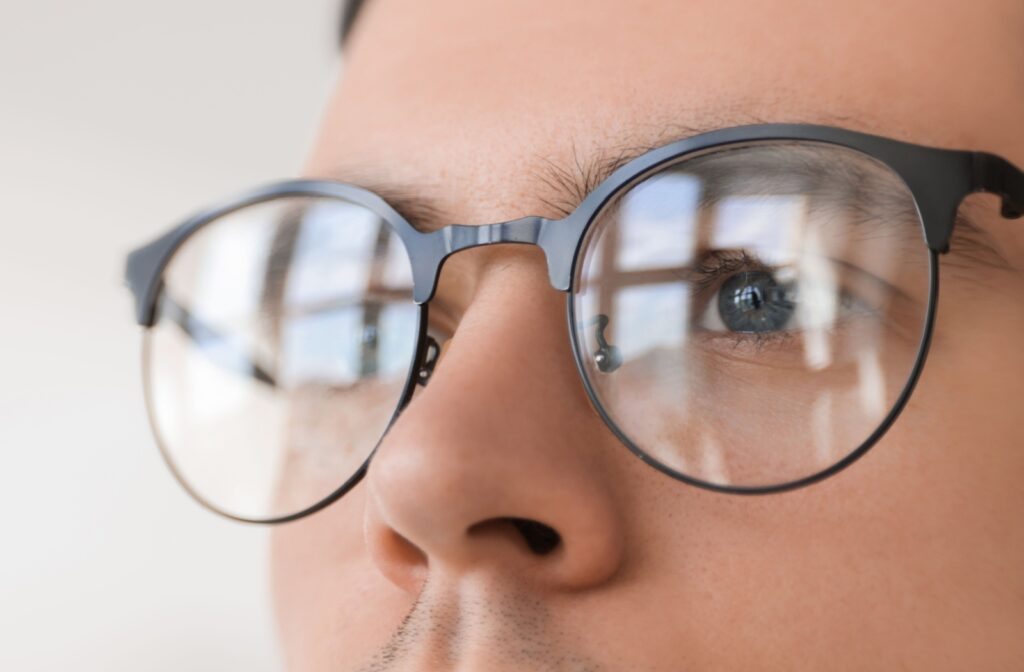
Essilor Stellest lenses are a new type of glasses lens designed for children with myopia. They provide sharp vision while also sending signals to the eye that may help slow down its growth. This can, in turn, help slow the progression of your child’s nearsightedness, an approach supported by modern vision science.
How Do These Special Lenses Work?
A Lens with Two Jobs
You can think of a Stellest lens as having two jobs. The first is to correct your child’s current prescription, so they can see clearly at any distance. The second is to manage their myopia progression. The dual-focus design sets it apart from typical single-vision lenses you may be used to.
The Technology Made Simple
These lenses use a unique design with a “constellation” of tiny, nearly invisible lenslets. This pattern signals to your child’s peripheral vision, helping slow the eye’s growth. Since myopia progression results from eye elongation, lenses like these address the root cause.
Do Myopia Control Glasses Really Work?
What the Results Show
Children who wear these lenses often experience a slower change in their prescription than those wearing standard glasses. The goal is to help your child end up with a lower prescription in their adult years than they might have otherwise. This is a key goal for parents, and resources like MyKidsVision can offer helpful information on the topic.
Set Realistic Expectations
It’s important to know that myopia management aims to slow down the progression of nearsightedness—it does not reverse it. Slowing it down, however, can make a significant difference, as myopia can worsen over time without intervention.
What to Expect with Myopia Glasses
The Ideal Age for These Lenses
Myopia control lenses, such as Stellest, are designed for children whose eyes are still growing and changing. An optometrist can perform a comprehensive children’s eye exam to determine if your child is a good candidate and when it would be most effective for them to start.
Wear the Glasses Full-Time
For these lenses to work as intended, your child should wear their glasses all day, every day. Consistent wear from morning until night is key to getting the full benefit of the myopia management technology built into the lenses.
The Role of Your Optometrist
The first step is a thorough eye health evaluation. You might wonder how long an eye exam takes—it’s an efficient process in which an optometrist uses specialized tools to measure your child’s vision and the physical length of their eyes. Based on these findings, they can recommend a personalized plan and monitor your child’s progress at regular follow-up appointments. The team at River City Vision Center is ready to discuss how new lens technologies can support your child’s vision. Schedule an appointment to learn more about myopia management and find a solution that fits your child’s needs.