

Key Takeaways
- Allergies can disrupt your tear film and lead to dry eye symptoms.
- Allergy-related dry eyes tend to flare seasonally, while dry eye disease is often year-round.
- Intense itching is a common sign that allergies may be involved.
- An optometrist can test your tear film and review your symptoms to find the right diagnosis.
- Both at-home steps and professional treatments can help bring relief.
Your eyes are burning, watering, and scratchy, and you’re not sure if allergies or dry eyes are to blame. It’s frustrating, especially when the treatments for each condition differ. Getting the right answer matters more than most people realize.
Yes, allergies can cause dry eyes. Allergens can trigger inflammation that disrupts your tear film, and the histamine your body releases can affect how well your tears form and stay stable. The two conditions can even happen at the same time, which makes sorting them out on your own pretty tricky. River City Vision Center offers comprehensive care for both conditions, and our team at the dry eye therapy practice is ready to help you find some answers.
The Link Between Allergies and Dry Eyes
When allergens like pollen get into your eyes, your body responds with inflammation. That reaction can disrupt your tear film, which is the thin layer of moisture that keeps your eyes comfortable and clear. At the same time, the histamine your body releases can affect tear production and stability, leaving your eyes feeling dry and irritated even while they’re watering.
Symptoms often peak during high pollen seasons, so if your eyes tend to flare up in spring or fall, allergies could be playing a role. That seasonal pattern is one of the first clues an optometrist looks for when sorting out what’s going on.
Allergy-Related Dry Eye Symptoms to Watch For
Some symptoms point more toward an allergy connection than others. Here are a few signs worth noting:
- Intense itching, redness, or a burning sensation in your eyes.
- Watery or blurry vision, especially when you’re outdoors.
- Puffy eyelids or mild crusting when you wake up.
How Allergy Dry Eye Differs from Dry Eye Disease
The overlap between these two conditions can make things confusing. Knowing the differences can help you describe your symptoms more clearly to your eye doctor. Here’s how they tend to differ:
- Allergy-related dry eye is usually seasonal and tied to specific environmental factors.
- Dry eye disease tends to cause persistent, year-round discomfort.
- Intense itching leans more toward an allergy cause than dry eye disease alone.
That said, both conditions can overlap and occur together. That’s exactly why a proper diagnosis from an optometrist is so helpful.
How an Optometrist Tells the Difference
At your appointment, your optometrist can test your tear film stability and quality directly. They’ll also ask about your symptom patterns, when flare-ups happen, and what seems to set them off. That combination of testing and conversation gives a clearer picture than symptoms alone.
Why a Proper Diagnosis Matters
Treating the wrong condition means you might not find relief, no matter how consistently you follow a routine. A treatment aimed at dry eye disease won’t do much if allergies are driving your symptoms, and the reverse is just as true. Since both conditions can occur at the same time, an accurate diagnosis helps target what’s actually happening in your eyes.
Ways to Find Relief from Allergy-Related Dry Eyes
At-Home Comfort Tips
A few simple habits at home can help keep your symptoms more manageable between appointments. Here are some options to try:
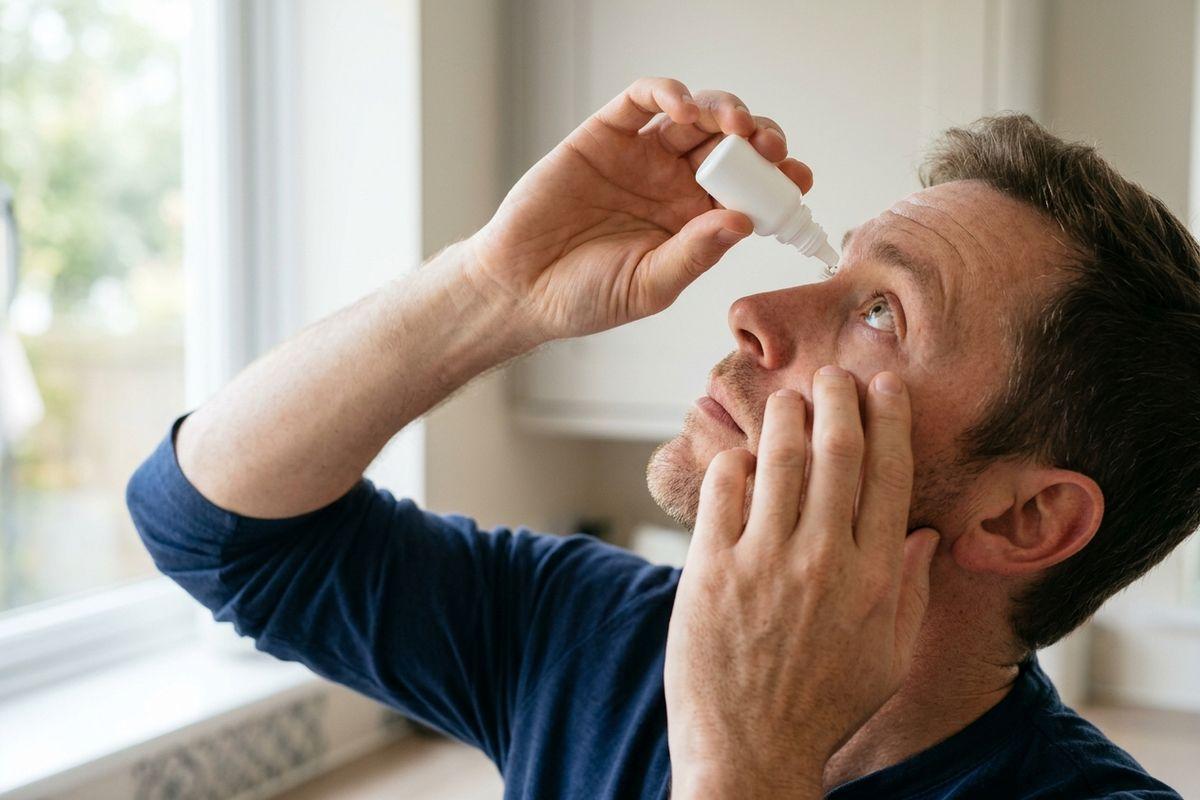
- Use artificial tears throughout the day to help maintain moisture on the eye surface.
- Apply cold compresses over closed eyes to ease swelling and irritation.
- Limit time outdoors during peak pollen hours, typically mid-morning and early afternoon.
Professional Treatment Options
When at-home steps aren’t enough, your optometrist can recommend treatments matched to your specific situation. Here are some options they may discuss with you:
- Antihistamine eye drops to help reduce itching quickly.
- Prescription anti-inflammatory drops for longer-lasting relief.
- Punctal plugs, which are tiny inserts placed in the tear duct to help retain moisture on the eye surface.
When to See an Optometrist for Dry Eyes and Allergies
Some situations call for a professional look rather than another trip down the eye drop aisle. It’s worth scheduling an appointment if any of the following apply to you:
- Over-the-counter drops no longer bring you relief.
- Your symptoms interfere with daily activities or your vision.
- You’re not sure whether allergies or another condition is behind your discomfort.
We’re Here for You
River City Vision Center is here to help you figure out what’s going on and find a care plan that fits your needs. Reach out to our team to schedule your eye exam and get some answers.